Creating Your Integrated Smart Home: A Foundational Guide
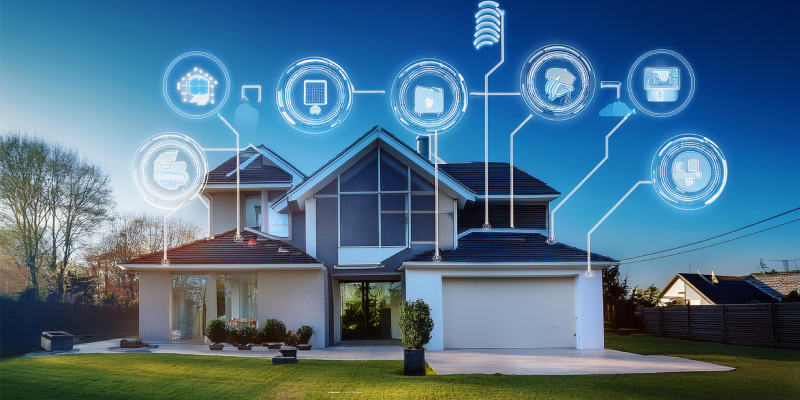
The idea of a smart home is becoming more common in modern living. Homes are no longer just about having the latest gadgets. They are slowly becoming connected spaces where lighting, security, climate control, and other systems can work together. Have you ever left home and suddenly wondered if you switched off the lights, adjusted the air conditioning, or locked the door?
This is where an integrated smart home can make everyday life a little easier. Instead of using separate gadgets that all work independently, home automation brings compatible devices and solutions together. The aim is simple enough — creating a home that is more convenient, secure, and easier to manage.
The key is not about adding as many smart devices as possible. It is about choosing the right solutions and thinking about how they fit into your home.
Understanding the Foundations of a Connected Home
An integrated smart home is more than just a collection of individual gadgets. Different elements need to work together to create a connected experience.
A central control platform allows you to manage compatible smart devices from one place. Depending on the system, you may use a smartphone app or another compatible interface to control connected devices and manage different parts of your home.
The devices themselves can include smart lighting, climate-control solutions, smart locks, curtains, entertainment systems, and more. Sensors can also detect movement or changes in environmental conditions, allowing compatible systems to respond when needed.
Connectivity and compatibility matter here too. Not every smart device will work with every system, so choosing compatible solutions from the start can make the overall experience much smoother.
Rather than buying devices one by one, think about how they will work as part of the wider system. It may seem like a small step — but this kind of planning can make a difference as your smart home grows. To read more, click here.
Designing Your Smart Home Around Your Needs
Before choosing devices, take a moment to think about your lifestyle and daily routines. What do you actually want your home to do for you? The right setup depends on your priorities, your existing space, and, of course, how you live day to day.
Enhancing Home Security
For many homeowners, security and peace of mind are major priorities. Compatible smart security solutions, such as smart locks, motion sensors, cameras, and automated lighting, can help you manage different aspects of your property in a more convenient way.
Depending on your system, you may also be able to monitor and manage certain connected devices remotely. Smart lighting can support your security setup as well, with compatible lights scheduled or automated based on your needs.
Improving Energy Efficiency
Smart lighting and compatible climate-control solutions can also help you manage energy use. For example, automated lighting can be scheduled to switch off when it is not needed — helping avoid unnecessary energy consumption.
Scheduling and energy monitoring can give you a better idea of how connected devices are being used. It is a practical way to bring more control into everyday energy management without making the whole process complicated.
Maximising Convenience
One of the biggest advantages of smart home automation is convenience. Compatible voice platforms such as Alexa and Google Assistant can provide voice control for supported devices, while smartphone-based control gives you another way to manage your home.
You can also create scenes and routines around your daily habits. A “Good Morning” scene, for instance, could adjust compatible lighting and other connected devices to help you start the day. An “Away” routine could manage selected devices when you leave home — depending on your system.
Creating Enjoyable Entertainment Spaces
Smart technology can also make entertainment areas more convenient. Depending on your setup, connected entertainment solutions can be included in customised scenes for watching films, relaxing, or spending time with family and friends.
The best approach is usually to start with the area that matters most to you. Then, you can expand from there, gradually.
A Phased Approach to Building Your Smart Home
You do not need to transform your entire home in one go. In fact, taking a phased approach can make the process much easier and more manageable.
Start by identifying your main goal. It could be better security, automated lighting, climate control, or simply making your everyday routines easier.
Next, choose a compatible smart home ecosystem and control platform. This gives you a foundation for managing connected devices and can help reduce compatibility issues further down the line.
Then introduce your first core system. If security is your priority, for example, you might start with compatible smart locks, motion sensors, cameras, or automated lighting, depending on what you actually need.
Once your devices are in place, you can begin creating automations and scenes. An “Away” scene could manage selected connected devices with a single command, making your departure routine just a little simpler.
After that, you can expand into areas such as lighting, climate control, or energy management. By choosing compatible solutions, more parts of your home can gradually become connected.
This approach allows your smart home to grow with you. There is no need to try and do everything at once.
Building a Smart Home Around Your Existing Space
Creating an integrated smart home does not always mean starting from scratch or carrying out major renovation work. Depending on your property and the solutions you choose, smart technology can be introduced gradually.
Retrofit-friendly and wireless solutions may help homeowners add smart functionality while reducing the need for extensive changes to an existing space. This can be useful if you want to improve your home over time, rather than changing everything in one go.
Your priorities may be security, convenience, lighting, climate control, or energy management. Whatever your focus, planning around your existing space helps you identify the solutions that are likely to provide the most practical value.
Read More : Innovating Patient Care 3D Printing at a Leading Ortho Hospital
Ensuring Seamless Integration and Future-Ready Planning
With so many smart technologies available today, compatibility should not be overlooked. Devices from different systems may not always work together as expected, and this can become frustrating later.
Choosing compatible smart home solutions and a suitable control platform can help create a more connected experience. H-smart Living devices can also be controlled through compatible voice platforms — depending on the system and device compatibility.
A reliable home network is another important part of the setup. Stable connectivity helps compatible smart devices communicate and function more smoothly.
Privacy and security should also be considered. Homeowners should choose reputable solutions and follow recommended security practices — including keeping devices and software updated where applicable.
Future-ready planning is not about trying to predict every technology you might use later. It is more about creating a flexible foundation that gives you room to expand as your needs change.
Your Smart Home Journey Begins with Thoughtful Planning
Ultimately, a connected ecosystem should make everyday life better — not simply add more technology to your home. Your smart home journey should begin with a clear understanding of your needs, priorities, and existing space.
You do not need to change everything at once. Start with the solutions that matter most to you, then build from there.
Whether you want to automate lighting, improve security, simplify everyday routines, or introduce smart technology into an existing property, thoughtful planning can help you create a home that works better for you.
If you are ready to explore a smarter, safer, and more convenient home, H-smart Living can help you explore integrated smart home solutions designed around your lifestyle, existing space, and everyday needs.